You’ve already collected feedback from customers around the world. Now you’re sitting on pages of open-ended responses in multiple languages, and you need them translated in a way that actually reflects what people meant. That’s where verbatim translation services come in.
Below is a list of well‑known verbatim translation service providers commonly used by market research teams, followed by a better alternative that supports multilingual studies with faster, more flexible AI‑powered verbatim translation and coding, and the key reasons to consider each.
Top Verbatim Translation Service Providers for Market Research
Below are several well-known companies offering verbatim translation services for qualitative research.
 |
The Language Factory A long-standing translation agency offering human-led verbatim translation across many industries, including market research and healthcare. |
 |
Language Intelligence Specializes in translating open-ended survey data for global market research studies, with a focus on qualitative insight accuracy. |
 |
Wordzz Provides verbatim translation and coding services designed specifically for survey research and consumer insights teams. |
 |
G3 Translate Offers translation and localization services for life sciences and market research industries across multiple languages. |
 |
TTC wetranslate Combines translation with research-focused services such as coding and qualitative analysis support. |
 |
Gazelle Global Supports global market research projects with translation, coding, and operational services for qualitative data. |
 |
THG Fluently Provides translation and insights-related services, often working with large-scale, multi-country research studies. |
 |
Toppan Digital Language Part of the Toppan Group, offering enterprise-level translation services for research, content, and regulated industries. |
 |
Global Lingo Delivers multilingual translation services with experience supporting international research and customer feedback programs. |
 |
Axiom Translate Focuses on professional, human-led translation services for businesses operating across multiple markets. |
Want high-quality verbatim translation in minutes, at a fraction of the cost?
Why Market Research Teams Hire Verbatim Translation Services
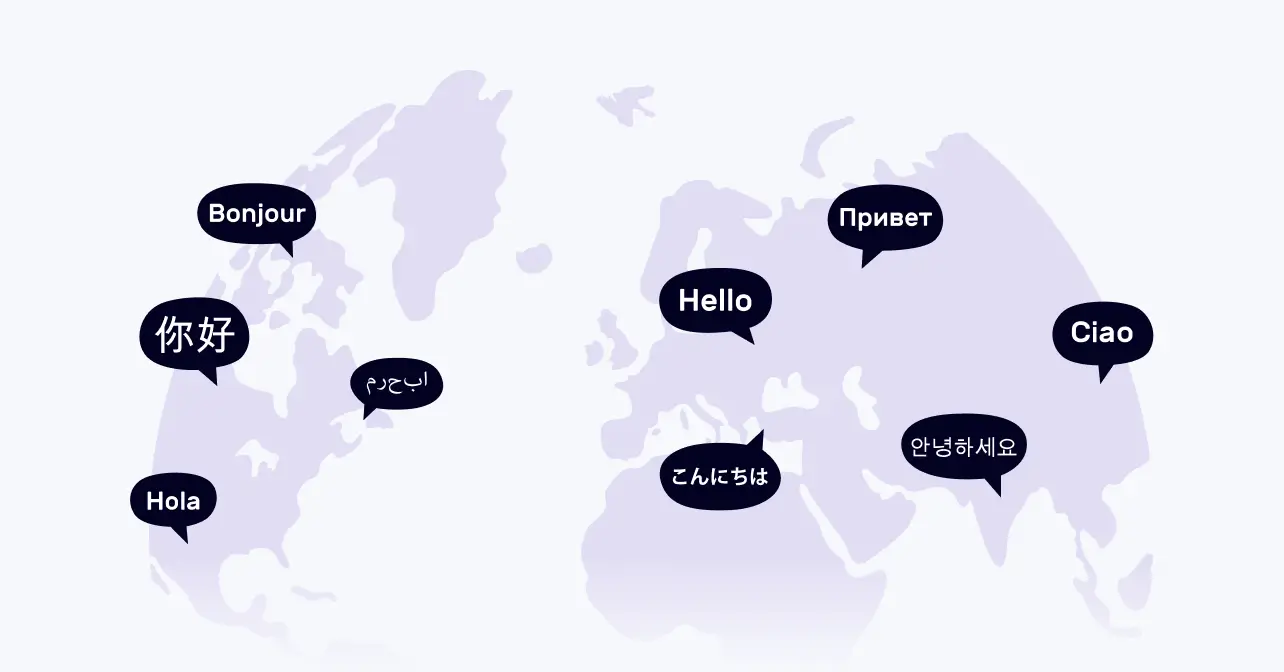
Market research teams primarily use verbatim translation services for three key reasons
1. Accuracy really matters: In some studies, being wrong isn’t an option. In research tied to healthcare, medical products, or regulatory decisions, one small translation error could lead to a big misinterpretation. In these rare cases, teams are willing to trade off speed, scalability, and cost to ensure 100% accuracy. If you're in a situation where nothing less than 100% accuracy will do, manual translation is still the right choice.
2. Cultural understanding is core: AI now handles cultural nuance surprisingly well in most studies, it can pick up tone, intent, and even sarcasm across languages. But when your study focuses on subtle cultural differences, and you don’t have the local context to guide the AI, trained linguists can still add value by bringing that cultural insight to the table.
3. It’s what they’ve always done: Many teams stick with what’s familiar. Human translation and manual coding have been the default for years, and in the absence of better-known, proven alternatives, they continue using the same workflows, even if they’re slower, more expensive, and harder to scale.
Limitations of Traditional Verbatim Translation Services
Traditional verbatim translation services can work well for smaller or simpler projects.
But if you’re running global research across multiple languages, they often become hard to manage. Coordinating the right translators and aligning timelines can quickly turn into a bottleneck, especially as volume and complexity increase.
Below are some common limitations market research teams run into with traditional verbatim translation services:
- Slower turnaround at scale: Large datasets often take days or weeks to translate.
- Rising costs: Pricing increases quickly as volume and language count grow.
- Multiple handoffs: Each language requires different translators, which means more syncing, more back-and-forth, and more time spent managing people instead of analyzing results.
- Limited flexibility: Revisions are difficult and expensive once translation is finalized.
- Inconsistent quality: Results vary depending on who is handling the translation.
See how teams analyze multilingual open-ended feedback at scale
Blix: An Alternative to Traditional Verbatim Translation Services
Market research moves fast. Blix helps modern market research teams translate and code open-ended feedback in minutes, without waiting weeks or paying traditional translation costs. Here’s how Blix supports verbatim translation for market research teams.
Fast, Easy Coding for Global Studies In Any Language
Blix codes open-ended responses in any language into structured themes in minutes. That means no manual line-by-line review and no guesswork when working across multiple languages; just faster, easier coding for global research studies.
Cross Language Coding
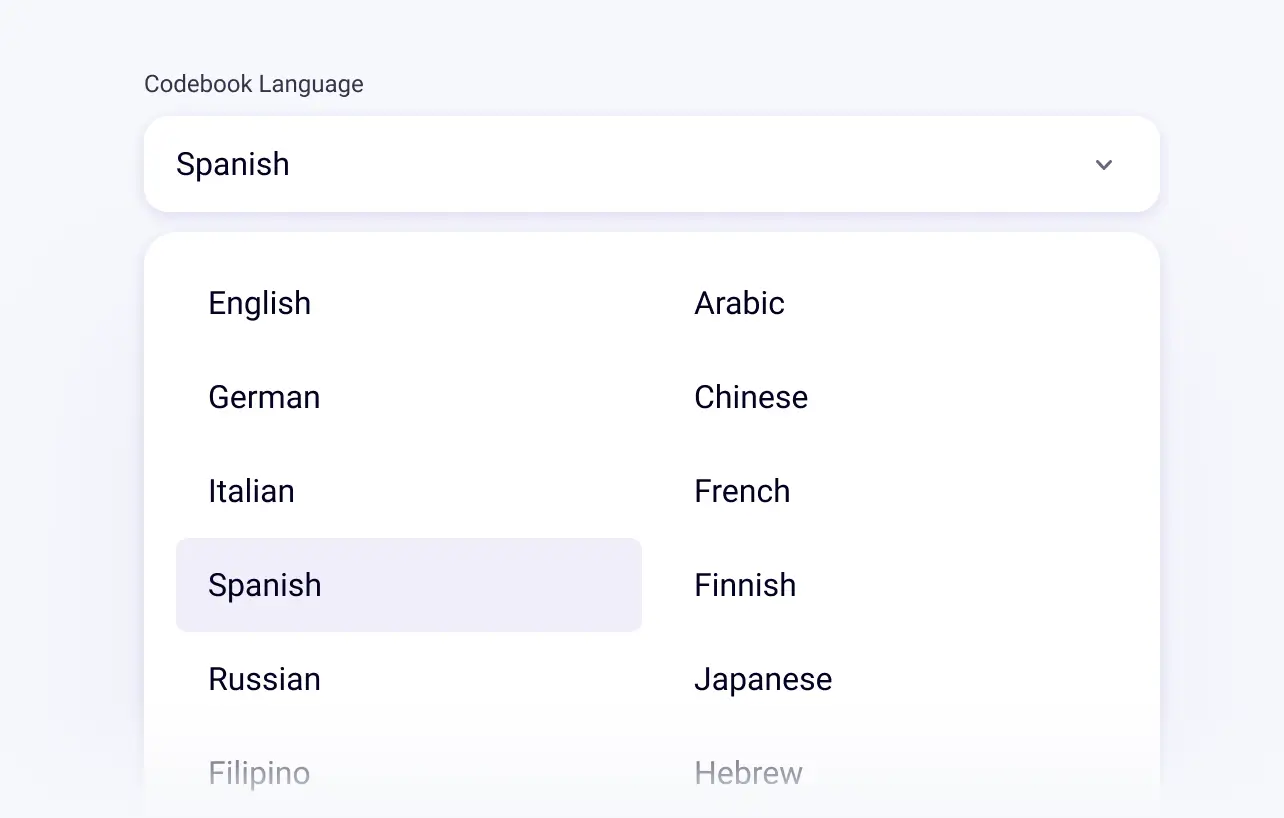
Blix supports multilingual coding, removing the need for separate translation steps or multiple handoffs. You can use one consistent code frame, in English or any other language, to code open-ended responses in their original language. That means faster turnaround, no translation delays, and cleaner cross-language analysis without compromising quality and nuance.
This makes it easier to:
- Include global audiences in surveys and feedback programs
- Move from data collection to analysis in minutes
- Scale studies across markets without adding operational complexity
Human-Like Insight Quality
Rather than matching exact words, Blix codes responses based on meaning and intent like human coders do.
For example, in a global NPS study, English speakers might describe the product as “simple and straightforward,” while Spanish or French respondents might use different phrasing in their own language. Blix recognizes the shared meaning across languages and codes them under the same theme, like “ease of use.” It delivers human-like contextual understanding, without the manual effort of reading every response.
Analyze customer feedback in any language
Blix vs. Traditional Verbatim Translation Services
Choosing the Right Verbatim Translation Approach
When selecting a verbatim translation approach, teams are typically choosing between traditional service-based providers and software-driven solutions. Service providers work well for smaller, high-risk projects that require human oversight.
However, if your team prioritizes speed, insight quality, and an all-in-one workflow for coding open-ended feedback in any language, Blix offers a more practical, faster approach than traditional translation services.
Make global studies quick & easy with verbatim coding in any language.